What grit sandpaper to use on plastic?
What grit sandpaper to use on plastic?
When sanding plastic, choosing the right grit depends on whether you’re removing material, smoothing scratches, or preparing for painting or bonding.
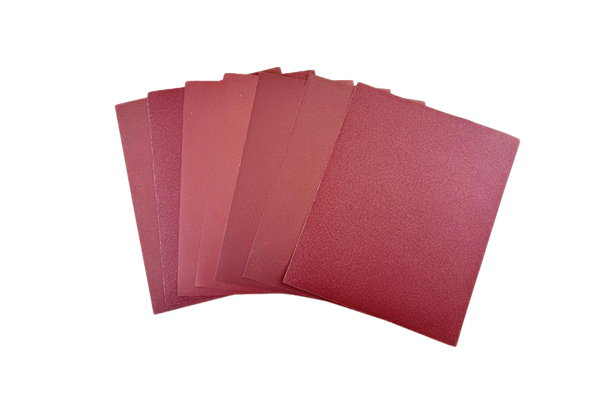
1. Coarse Grits (80–120): For heavy material removal
Use 80–100 grit to remove deep scratches, gouges, or excess plastic (e.g., from molding flash). 120 grit is slightly finer but still aggressive.
Note: Coarse grits can leave deep scratches, so follow with finer grits.
2. Medium Grits (240–400): For general smoothing
240 grit is good for leveling surfaces and removing coarse scratch patterns.
320–400 grit works well for preparing plastic for primer or adhesive, as it creates a uniform, slightly rough surface.
3. Fine Grits (600–1000): For finishing and polishing
600–800 grit is ideal for removing fine scratches and achieving a smooth finish before painting.
1000 grit can be used for final smoothing, especially on clear plastics like acrylic, before polishing.
4. Very Fine Grits (1500–3000): For high-gloss polishing
These are used with water or polishing compounds to restore shine to clear plastics (e.g., headlight lenses, acrylic sheets).
Use wet sanding (with water) for finer grits to reduce heat and prevent plastic from melting.
Always sand in a consistent direction and progress through grits gradually (e.g., 240 → 400 → 800).
Use a soft sanding block or pad to avoid creating uneven surfaces.
For clear plastics, finish with a plastic polish or compound after sanding.
News
Contact Us
Contact: JinKaiyan Abrasives
Phone: +86 13663827325
Tel: +86 13663827325
E-mail: cici8686@foxmail.com
Add: Weidu Industrial zone Xuchang City, Henan province in China