Velcro Sanding Disc Product Guidelines
Velcro Sanding Disc Product Guidelines
In the realm of surface finishing and material processing, the Velcro sanding disc—also known as a hook-and-loop sanding disc—has emerged as an indispensable tool, revolutionizing efficiency and convenience across industries and DIY projects.
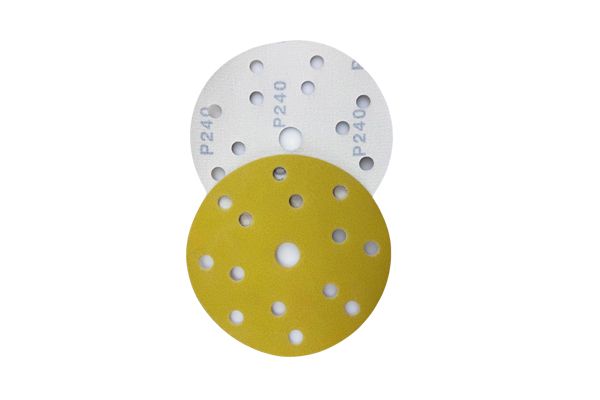
At its core, a Velcro sanding disc consists of two key components: the abrasive layer and the hook-and-loop backing. The abrasive layer, crafted from materials like aluminum oxide, silicon carbide, zirconia alumina, or ceramic, dictates the disc’s cutting power, durability, and suitability for specific materials. Aluminum oxide, for instance, is ideal for sanding wood, metal, and painted surfaces, offering a balance of sharpness and longevity. Silicon carbide, on the other hand, excels with harder materials such as glass, stone, and plastic, as well as wet sanding applications. Zirconia alumina and ceramic abrasives are preferred for heavy-duty tasks, thanks to their exceptional heat resistance and ability to self-sharpen, reducing wear and tear during prolonged use. The hook-and-loop backing, typically made of a durable fabric or synthetic material, features tiny hooks that interlock with the loops on the sanding pad, creating a secure bond that withstands high rotational speeds without slipping.
One of the primary advantages of Velcro sanding discs is their quick-change capability. In professional settings like woodworking shops, auto body repair facilities, or metal fabrication plants, time efficiency is critical. With traditional adhesive discs, removing a worn disc often involves scraping off residual adhesive or struggling with stuck layers, wasting valuable time. Velcro discs, however, can be peeled off and replaced in seconds, allowing workers to switch between grit sizes or abrasive types seamlessly—from coarse sanding to fine finishing—without disrupting workflow. This feature also minimizes damage to the sanding pad, as there is no adhesive buildup to compromise its surface over time.
The versatility of Velcro sanding discs is another standout attribute, making them suitable for a wide range of applications across various sectors. In woodworking, they are used for shaping wood, smoothing surfaces before staining or painting, and refinishing furniture. Coarse-grit discs (40–80 grit) tackle rough lumber or remove old paint/varnish, while fine-grit discs (120–400 grit) achieve a smooth, polished finish. For curved or contoured wood surfaces, flexible Velcro discs conform to the shape, ensuring even sanding without creating flat spots—an advantage over rigid sanding tools.
In the automotive industry, Velcro sanding discs are a staple for body repair and refinishing. They are used to sand body filler, smooth primer coats, and prepare surfaces for painting. Wet sanding with silicon carbide Velcro discs is common in this field, as it reduces dust, prevents surface scratching, and achieves a flawless base for paint application. Additionally, their compatibility with orbital sanders—both random orbital and dual-action models—makes them ideal for removing imperfections without leaving swirl marks on automotive surfaces.
Metalworking also benefits from Velcro sanding discs, particularly for deburring, rust removal, and surface preparation. Zirconia alumina discs are often used for sanding steel, stainless steel, and aluminum, as they resist clogging from metal shavings and maintain sharpness under high heat. In metal fabrication, these discs help smooth weld seams, prepare metal surfaces for welding or coating, and achieve the desired texture for decorative or functional metal parts.
Beyond industrial use, Velcro sanding discs are a favorite among DIY enthusiasts and hobbyists. Whether refinishing a wooden deck, restoring a vintage car, sanding plastic crafts, or smoothing drywall patches, these discs offer ease of use and professional-quality results. Home users appreciate their compatibility with small, handheld orbital sanders, making even complex sanding tasks manageable without specialized skills. The ability to reuse sanding pads (by replacing only the disc) also reduces long-term costs compared to adhesive discs, which often require pad replacement alongside the disc.
To maximize the performance of Velcro sanding discs, proper selection and maintenance are key. Choosing the right abrasive material and grit size for the task is essential—using a coarse disc on a delicate surface can cause damage, while a fine disc may not efficiently remove heavy material. Regular cleaning of the sanding pad (to remove debris trapped in the loops) ensures a strong bond with the disc, preventing slippage and uneven sanding.
News
Contact Us
Contact: JinKaiyan Abrasives
Phone: +86 13663827325
Tel: +86 13663827325
E-mail: cici8686@foxmail.com
Add: Weidu Industrial zone Xuchang City, Henan province in China