Introduction to the Uses of Abrasive Cloth
Introduction to the Uses of Abrasive Cloth
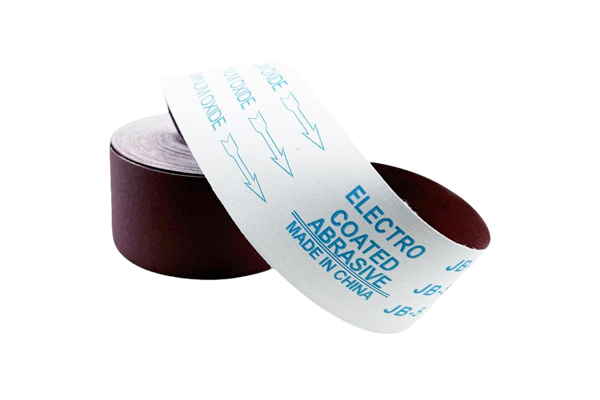
Abrasive cloth, a versatile tool composed of a flexible fabric backing coated with abrasive particles like aluminum oxide, silicon carbide, or garnet, plays an indispensable role in various industries and DIY projects. Its unique combination of flexibility and abrasiveness allows it to adapt to different surfaces—from flat metal sheets to curved wooden edges—making it a go-to choice for tasks that require shaping, smoothing, or cleaning materials. Unlike rigid abrasive tools such as grinding stones, abrasive cloth conforms to irregular shapes, ensuring consistent results across uneven surfaces. Below is a detailed overview of its key uses, spanning industrial, automotive, woodworking, and household applications.
Industrial Metal Processing
In metalworking, abrasive cloth is a foundational tool for preparing and finishing metal components. One of its primary uses is deburring, where it removes sharp, unwanted edges (burrs) left after cutting, drilling, or stamping metal parts. For example, after manufacturing steel bolts or aluminum brackets, workers use medium-grit abrasive cloth to smooth burrs, preventing injury during handling and ensuring parts fit together seamlessly.
Abrasive cloth also aids in surface preparation before painting, welding, or coating metal. Rust, oil, and old paint can compromise the adhesion of new finishes; fine-grit abrasive cloth effectively strips these contaminants, creating a clean, slightly textured surface that enhances bond strength. In heavy industries like construction and machinery manufacturing, coarse-grit abrasive cloth is even used for shaping raw metal, such as reducing the thickness of steel plates or refining the contours of metal gears.
Woodworking and Furniture Making
Woodworkers rely on abrasive cloth to transform rough lumber into polished, ready-to-use pieces. For sanding raw wood, coarse-grit cloth (e.g., 40–80 grit) quickly removes splinters, saw marks, and unevenness from boards, preparing them for joining or finishing. As the process progresses, finer-grit cloth (120–240 grit) is used to smooth the wood surface further, eliminating scratches left by coarser grits and creating a uniform texture.
In furniture refinishing, abrasive cloth is essential for stripping old finishes—such as varnish, lacquer, or paint—from wooden furniture. Fine-grit cloth gently lifts old coatings without damaging the wood underneath, allowing for a fresh application of stain or paint. It also helps in blending joints; when assembling furniture, slight mismatches in wood pieces can be smoothed with abrasive cloth, ensuring seamless connections and a professional look.
Automotive and Aerospace Maintenance
The automotive industry depends on abrasive cloth for both repair and restoration work. During body repairs, it is used to smooth auto body filler—a material applied to dents or scratches—creating a flat surface that matches the car’s original contour. After filling, fine-grit cloth is used to sand the area before painting, ensuring the new paint adheres evenly and blends with the surrounding bodywork.
In engine maintenance, abrasive cloth helps clean metal components like cylinder heads or pistons. It removes carbon deposits and rust that accumulate over time, restoring the components’ performance and extending their lifespan. Similarly, in the aerospace sector, where precision is critical, ultra-fine-grit abrasive cloth is used to finish turbine blades and other delicate parts, ensuring they meet strict dimensional and smoothness standards.
Household and DIY Applications
For everyday DIY enthusiasts, abrasive cloth is a versatile tool for home repairs and crafts. In home maintenance, it can sharpen tools like garden shears, kitchen knives, or chisels—simply wrapping a piece of cloth around a flat surface and drawing the tool across it at an angle hones the blade. It also works for cleaning hard surfaces; coarse-grit cloth can remove rust from metal fixtures (e.g., door hinges or patio furniture), while fine-grit cloth polishes chrome or brass to restore their shine.
In crafting, abrasive cloth is used to prepare materials for projects. For instance, it smooths the edges of clay pots before painting, removes rough spots from plastic models, or refines the surface of homemade wooden signs. Its flexibility makes it easy to use on small or intricate items, where larger tools might be too cumbersome.
News
Contact Us
Contact: JinKaiyan Abrasives
Phone: +86 13663827325
Tel: +86 13663827325
E-mail: cici8686@foxmail.com
Add: Weidu Industrial zone Xuchang City, Henan province in China