Introduction to the uses of Sanding Belt
Introduction to the uses of Sanding Belt
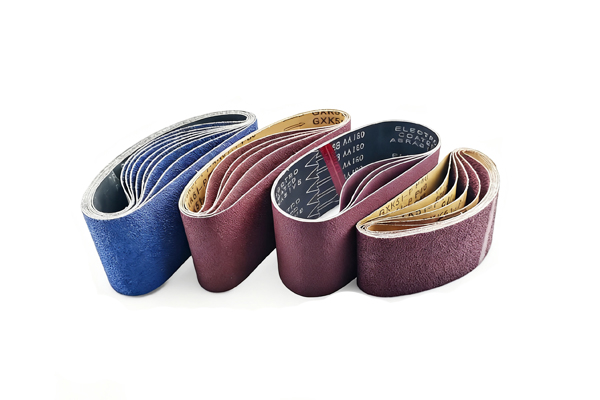
Sanding belts are essential tools in woodworking, metalworking, and many manufacturing fields, designed to smooth surfaces, remove material, and prepare workpieces for finishing. Composed of a flexible backing material (such as cloth, paper, or polyester) coated with abrasive grains (like aluminum oxide, silicon carbide, or zirconia alumina), they attach to belt sanders—powerful machines that drive the belt in a continuous loop. Their unique combination of flexibility and abrasiveness makes them ideal for tackling both large, flat surfaces and curved or irregular shapes, outperforming other sanding tools like sandpaper sheets or orbital sanders in efficiency and consistency.
Key Applications Across Industries
Sanding belts’ adaptability allows them to shine in diverse sectors, each leveraging their strengths for specific needs.
1. Woodworking: Crafting Smooth, Polished Pieces
Woodworkers rely heavily on sanding belts for nearly every project, from small crafts to large furniture.
Furniture Making: Coarse-grit belts (40–80 grit) shape raw lumber or remove saw marks, while medium-grit (100–150 grit) smooths joints and edges. Fine-grit belts (180–240 grit) prepare surfaces for staining or painting, ensuring a flawless finish on tables, chairs, or cabinets.
Flooring Installation: Wide sanding belts (often 3–4 inches wide) efficiently sand hardwood floors, leveling planks and removing old finishes before refinishing. Their continuous motion covers large areas quickly, reducing labor time compared to manual sanding.
Cabinetry and Joinery: Curved or detailed wood pieces (like cabinet doors or decorative moldings) benefit from narrow sanding belts, which conform to shapes while maintaining even pressure—avoiding the uneven results of hand sanding.
2. Metalworking: Refining Strength and Precision
In metalworking, sanding belts handle tough materials like steel, aluminum, and stainless steel, focusing on precision and durability.
Deburring and Edge Refinement: After cutting or welding metal, sharp burrs or rough edges pose safety risks. Medium-grit sanding belts (80–120 grit) smooth these edges, making parts safe for handling and assembly.
Rust and Paint Removal: For automotive repairs or metal restoration, sanding belts strip rust from car frames, remove old paint from machinery, or clean metal surfaces before welding or coating. Silicon carbide belts are particularly effective here, as they resist clogging from metal dust.
Surface Finishing for Industrial Parts: Fine-grit belts (240–400 grit) create a smooth, uniform surface on metal components like gears, bolts, or appliances. This not only enhances appearance but also reduces friction and improves performance in mechanical systems.
3. Automotive and Aerospace: Ensuring Quality and Safety
These high-stakes industries demand precision, and sanding belts deliver consistency for critical components.
Automotive Body Work: Sanding belts shape body fillers, smooth panel seams, and prepare surfaces for painting. They are used in both repair shops (for fixing dents or scratches) and manufacturing plants (for finishing new car bodies).
Aerospace Component Refinement: Lightweight metals like titanium or aluminum require gentle yet effective sanding. Specialized sanding belts (with fine, heat-resistant grains) smooth aerospace parts, ensuring they meet strict safety and aerodynamic standards.
4. Home Improvement and DIY: Accessible for Everyday Projects
Sanding belts are not just for professionals—DIY enthusiasts use them for home repairs and hobbies.
Refinishing Projects: From restoring old wooden furniture to refinishing a backyard deck, sanding belts simplify removing old paint or stain and smoothing weathered wood.
Crafts and Hobbies: Narrow sanding belts shape small wooden or plastic crafts (like model airplanes or jewelry boxes) or smooth 3D-printed parts, giving DIY projects a professional look.
News
Contact Us
Contact: JinKaiyan Abrasives
Phone: +86 13663827325
Tel: +86 13663827325
E-mail: cici8686@foxmail.com
Add: Weidu Industrial zone Xuchang City, Henan province in China